Policy recommendations for art institutions, galleries, and residencies to ensure equal access for artists and cultural producers who are parents
Commissioned by: Institution(ing)s
Publication date: July 2026
Available at: Institutionings.eu
A research project within the framework of Institution(ing)s, investigating what happens when an artist becomes a parent, and how art institutions meet that moment – or miss it. The research project resulted in a set of policy policy recommendations for art institutions, galleries, and residencies to ensure equal access for artists and cultural producers who are parents.
The recommendations were commissioned by Institution(ing)s, and respond to a structural challenge within the art world, namely that of combining a career in the arts with caregiving responsibilities, and seek to point out concrete ideas and possibilities for art institutions to create better and more inclusive working conditions for artists and cultural producers with children.
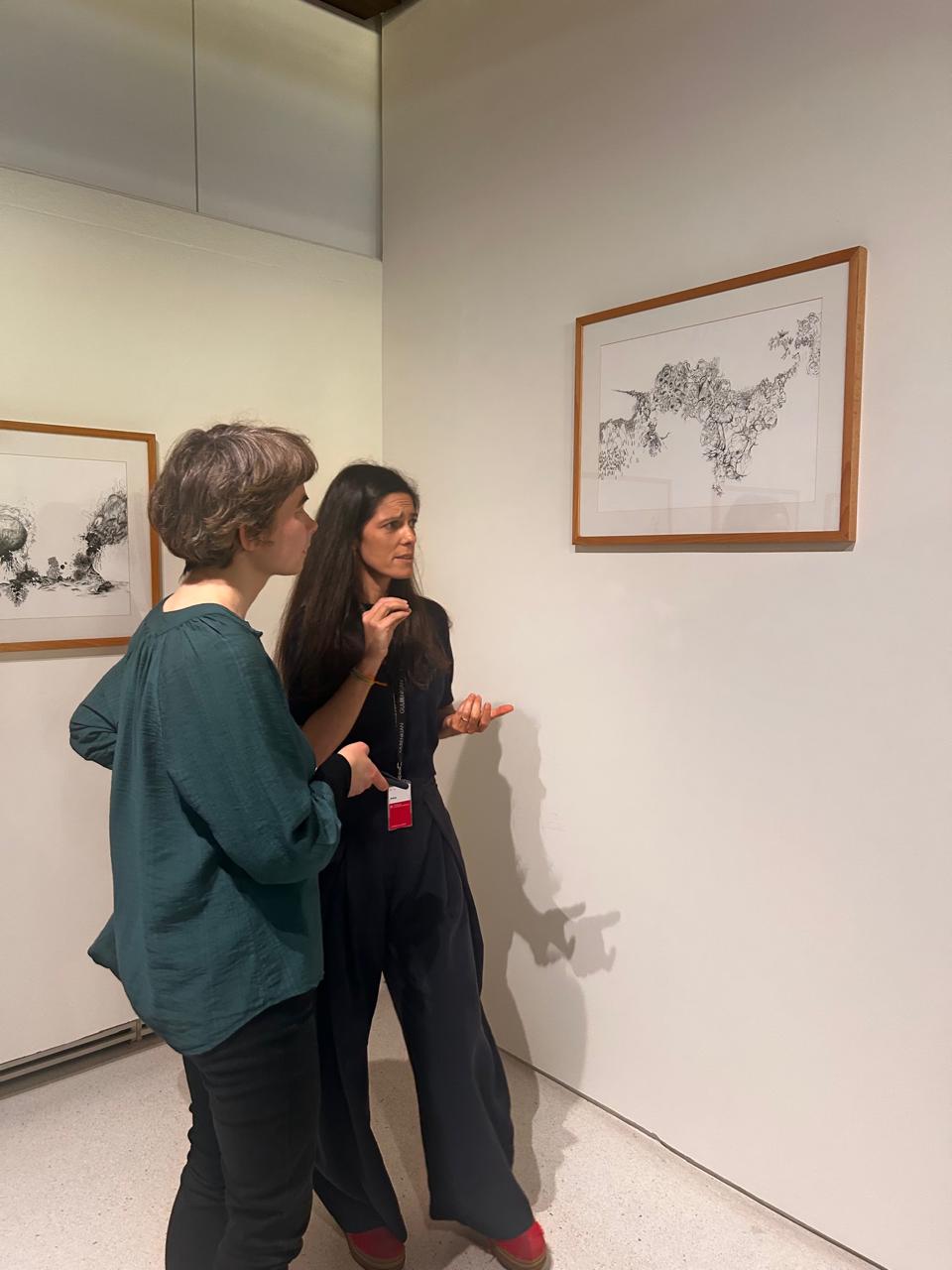
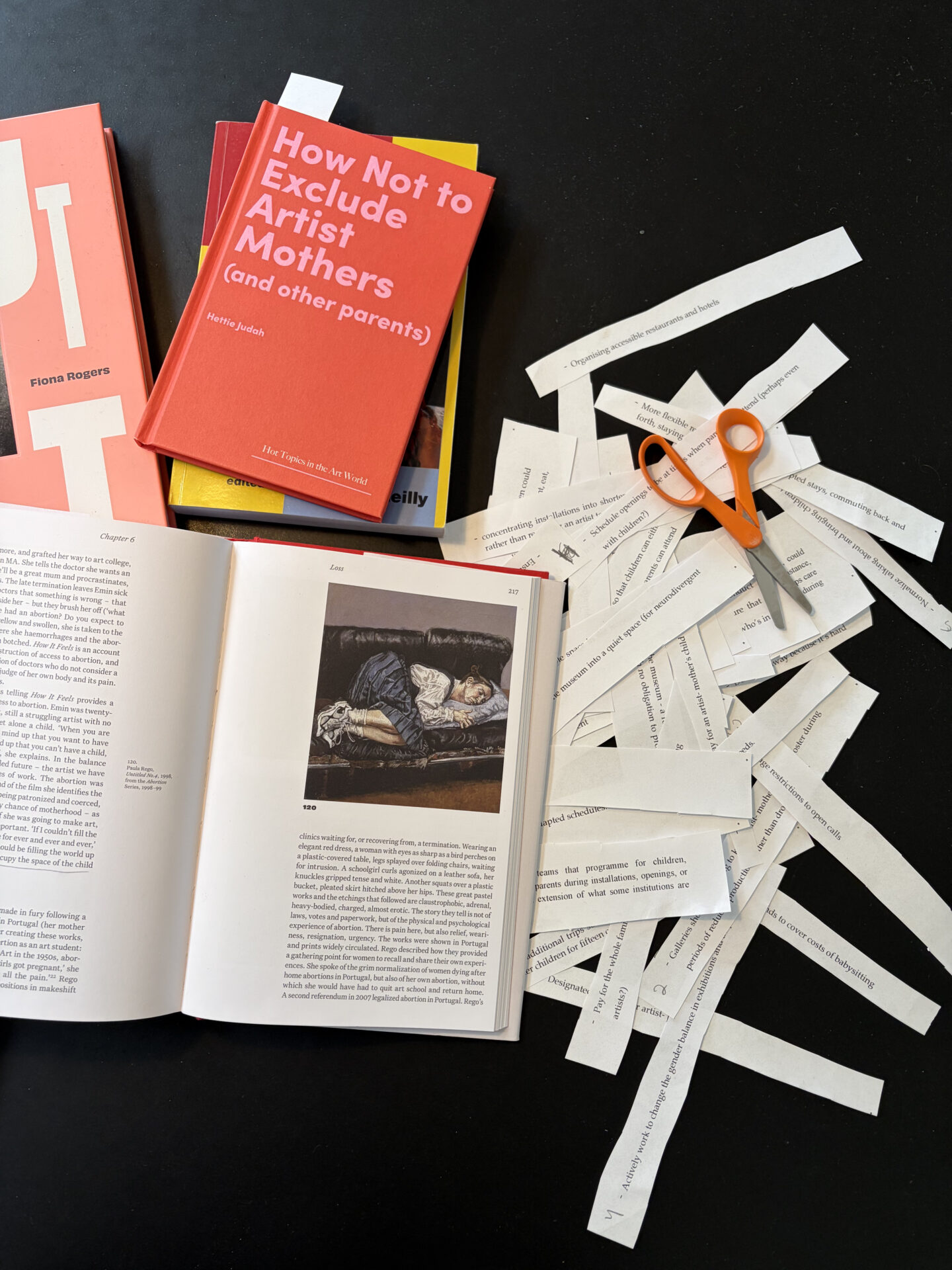
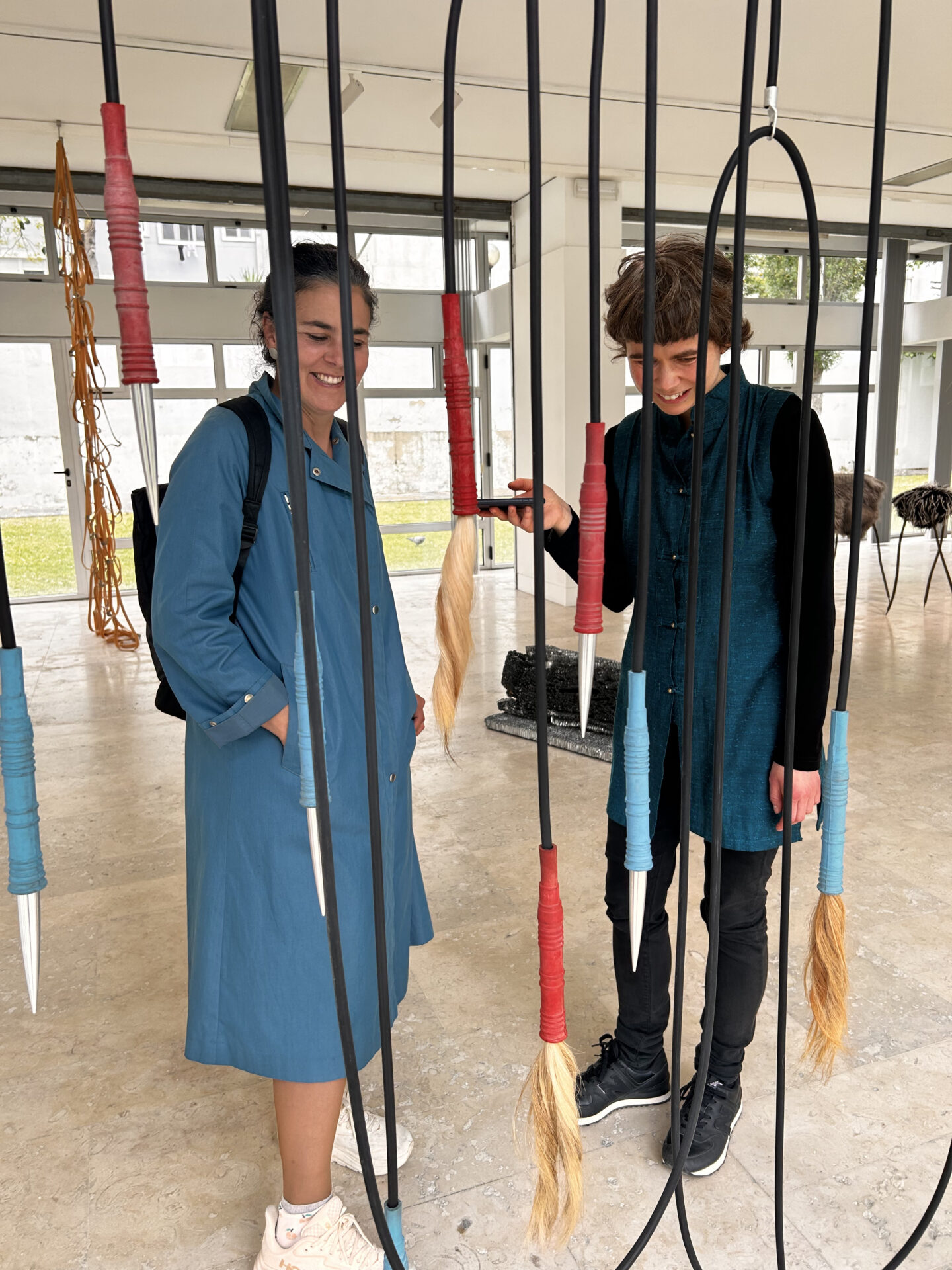
The recommendations are grounded in, informed and inspired by fieldwork that I conducted in Lisbon from the 2nd to the 9th of May 2026, during which I interviewed artists, museum directors, and cultural producers about the conditions for parents working in the arts. The recommendations also draw on my own previous and ongoing research and interviews with international artists and cultural producers about the same subject, and on the important and trailblazing work of the British writer and curator Hettie Judah, who, in 2021, along with an international group of artist mothers, wrote the manifesto-like guidelines “How Not to Exclude Artist Parents: Some Guidelines for Institutions and Residencies”.
Institution(ing)s is a cooperation project co-funded by the European Union. Views and opinions expressed are however those of the author(s) only and do not necessarily reflect those of the European Union or the European Education and Culture Executive Agency (EACEA). Neither the European Union nor EACEA can be held responsible for them.
The views and opinions published here mirror the principles of academic freedom and do not necessarily reflect the views or positions of Institution(ing)s and its members.